
Few food arguments spark as much passion as pasta. Not carbonara versus bolognese, but something more fundamental: fresh pasta versus handmade pasta. Some diners swear one is superior, others insist there is no real difference, and many assume the terms mean the same thing. They do not.
If you have ever wondered why one plate of pasta feels silkier, lighter, or more satisfying than another, this guide breaks it all down. By the end, you will understand what fresh pasta really means, what handmade pasta actually involves, and whether either truly changes the taste on your plate.
What People Usually Mean by Fresh Pasta
Fresh pasta is often understood as pasta that is not dried. It is typically made with flour and eggs, mixed into a dough, rolled, cut, and cooked soon after. Because it contains moisture, it has a softer texture and shorter cooking time than dried pasta.
In many restaurants, fresh pasta is made daily or several times a week. It is stored chilled and cooked to order. The result is pasta that feels tender and rich, especially when paired with delicate sauces.
However, fresh does not automatically mean handmade. This distinction matters more than most diners realise.
What Handmade Pasta Actually Means
Handmade pasta refers to how the dough is made and shaped, not just its moisture content. Handmade pasta is mixed, kneaded, rolled, and cut by hand or with minimal mechanical assistance.
This process creates subtle inconsistencies in thickness and texture. Those imperfections are not flaws. They are what help sauce cling to the pasta and create a more dynamic mouthfeel.
Handmade pasta can be fresh or dried. The key difference lies in the level of human involvement and control throughout the process.
Fresh Pasta Is Not Always Handmade
One of the biggest misconceptions is assuming all fresh pasta is handmade. In reality, many restaurants use pasta machines to extrude or roll dough efficiently and consistently.
Machine-made fresh pasta can still be good. It is reliable, uniform, and suitable for high-volume kitchens. But it lacks the nuanced texture that comes from hand-rolled dough.
When diners talk about the “best pasta in Singapore,” they are often responding to texture without realising that handmade techniques are influencing what they taste.
Handmade Pasta Is Not Always Fresh
On the other side of the debate, handmade pasta is sometimes dried intentionally. Certain shapes and regional styles are designed to be dried slowly to enhance flavour and structure.
Handmade dried pasta often uses semolina flour and water, producing a firmer bite and excellent sauce absorption. This style is common in southern Italy and works beautifully with robust sauces.
So while fresh pasta and handmade pasta often overlap, they are not interchangeable concepts.
How Texture Changes the Eating Experience
Taste is not just about flavour. Texture plays a huge role in how food is perceived.
Fresh pasta tends to be softer and silkier. It melts slightly in the mouth, especially when paired with butter-based or cream sauces. Handmade pasta, whether fresh or dried, often has more bite and surface variation.
These differences influence how sauce coats the pasta and how each bite feels. Texture alone can make one dish feel more satisfying than another, even if the ingredients are similar.
Why Sauce Matters More Than You Think
The type of sauce dramatically affects whether fresh or handmade pasta shines.
Fresh egg-based pasta works best with lighter sauces that do not overwhelm its delicate structure. Think simple butter sauces, light cream, or gentle seafood pairings.
Handmade pasta, especially shapes with ridges or irregular edges, excels with thicker sauces. Ragù, tomato-based sauces, and slow-cooked meats cling better to textured surfaces.
This pairing logic is one reason certain restaurants stand out when people search for the best pasta in Singapore. The pasta and sauce are designed for each other, not chosen independently.
Ingredient Choices Change Everything
Another factor that affects taste is the choice of flour and eggs. Fresh pasta often uses soft wheat flour and eggs, resulting in a richer flavour and yellow hue.
Handmade pasta, particularly traditional southern styles, may use durum wheat semolina and water. This creates a firmer texture and more neutral flavour that highlights the sauce.
Neither is objectively better. They are simply different tools for different outcomes.
Cooking Time and Precision
Fresh pasta cooks quickly, sometimes in under two minutes. This leaves little margin for error. Overcook it slightly, and the texture suffers.
Handmade pasta, especially dried versions, offers more forgiveness. Its structure holds up better to longer cooking times and aggressive sauces.
The skill of the kitchen matters here. Restaurants that consistently deliver great pasta understand timing intimately. This attention to detail separates average plates from memorable ones.
Why Handmade Pasta Often Tastes More Complex
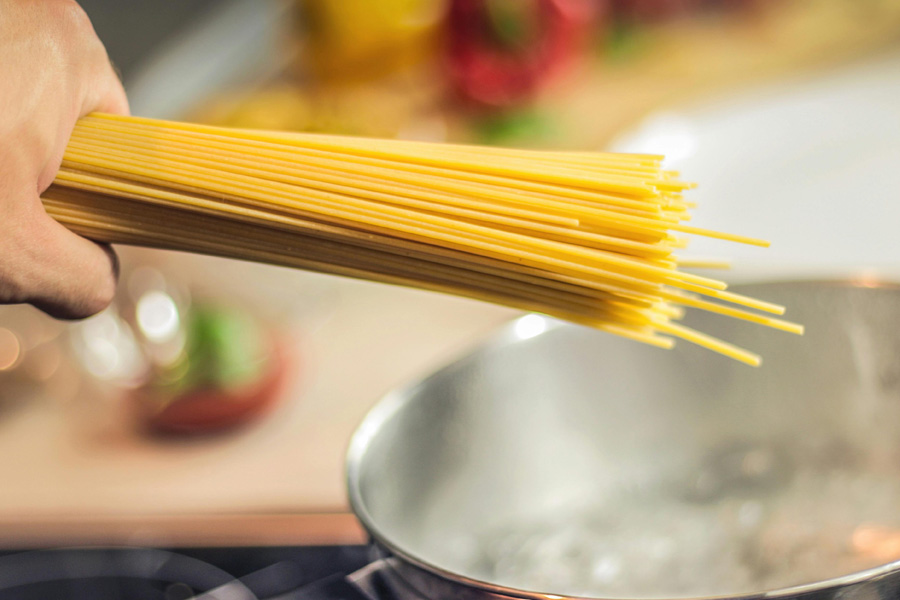
Many diners describe handmade pasta as tasting “better” without being able to explain why. The reason often lies in micro-variations.
Handmade processes create uneven surfaces and slight thickness differences. These variations affect how heat penetrates the pasta and how sauce adheres.
The result is a more layered eating experience. Each bite feels slightly different, which keeps the dish interesting from start to finish.
Does Fresh Pasta Always Taste Better Than Dried Pasta
Not at all. Dried pasta has been unfairly dismissed by many diners.
High-quality dried pasta, especially when handmade or slow-dried, offers excellent texture and flavour. It provides the firmness needed for bold sauces and hearty dishes.
Some of the most celebrated pasta dishes in Italy rely on dried pasta. Fresh pasta is not a universal upgrade, it is a stylistic choice.
How Restaurants Choose Between Fresh and Handmade Pasta
Restaurants make practical decisions based on concept, volume, and consistency. Handmade pasta is labour-intensive and requires skilled staff.
Fresh machine-made pasta offers efficiency and uniformity. It is easier to scale and maintain consistency across services.
The best pasta restaurants choose the method that aligns with their menu rather than chasing trends. That clarity of purpose is often what defines the best pasta in the Singapore dining scene.
What Diners Should Look for on the Menu
Menus rarely spell out whether pasta is handmade or machine-made. However, clues exist.
Descriptions that mention daily preparation, specific shapes, or regional origins often signal handmade techniques. Simpler menus with fewer pasta options may also indicate a focus on quality over quantity.
Asking staff is always acceptable. A confident restaurant will gladly explain how its pasta is made.
Why Simpler Dishes Reveal More
Complex sauces can mask flaws in pasta. Simple dishes expose everything.
If a restaurant serves excellent cacio e pepe, aglio olio, or butter-based pasta, the quality of the pasta itself is doing much of the work. These dishes rely on texture, not heavy seasoning.
Many places known for the best pasta in Singapore build their reputation on these deceptively simple plates.
The Role of Freshness in Taste Perception
Freshness affects aroma and mouthfeel more than raw flavour. Fresh pasta feels lively and supple, which diners often interpret as higher quality.
However, freshness alone does not guarantee excellence. Poorly made fresh pasta will still disappoint.
Quality comes from technique first, freshness second.
Does Handmade Pasta Justify a Higher Price
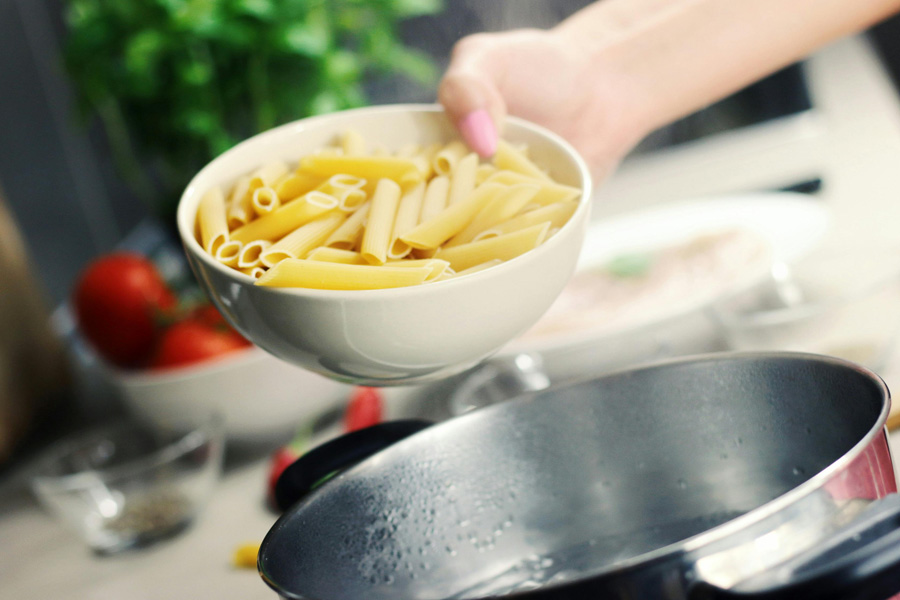
Handmade pasta usually costs more because it requires time, skill, and labour. Whether it is worth the price depends on execution.
When done well, the difference is noticeable and satisfying. When done poorly, it becomes an expensive disappointment.
Price should reflect craft, not marketing language.
Why Preferences Are Personal
Some diners prefer the softness of fresh pasta. Others crave the chew of handmade dried pasta.
There is no universally correct preference. Cultural background, eating habits, and even mood influence perception.
Understanding the difference empowers diners to choose what they enjoy most rather than following assumptions.
The Singapore Context
Singapore’s food scene exposes diners to many pasta styles, often side by side. This diversity sharpens expectations.
As a result, diners become more sensitive to texture, balance, and technique. Restaurants cannot rely on novelty alone.
This competitive environment has raised the overall standard, contributing to why discussions around the best pasta in Singapore are increasingly nuanced.
Final Thoughts
Fresh pasta and handmade pasta are not rivals. They are different expressions of the same craft.
Fresh pasta offers tenderness and richness. Handmade pasta delivers texture and depth. Both can be exceptional when paired thoughtfully with the right sauce and cooked with precision.
The next time you enjoy a plate of pasta, pay attention to how it feels, not just how it tastes. You may discover that the most memorable difference was never about freshness at all.