

Key Takeaways
- Designing a catering menu for mixed age groups requires balancing taste, texture, nutrition, and practicality rather than relying on trendy or visually complex dishes.
- Senior attendees often prioritise ease of eating, familiar flavours, and dietary suitability, while younger guests expect variety and flexibility.
- Successful catering in Singapore accounts for cultural diversity, dietary restrictions, and event logistics from the earliest planning stage.
- A well-structured catering menu reduces waste, avoids service delays, and improves overall guest satisfaction across age groups.
Introduction
Designing a catering menu that works for both mixed age groups and senior attendees is one of the most underestimated challenges in event planning. While younger guests may prioritise variety and novelty, older attendees often focus on comfort, ease of eating, and physical tolerance. This issue is especially relevant for catering in the city-state because corporate, community, and family events often bring together wide age ranges within a single setting. A functional catering menu must therefore balance inclusivity, practicality, and operational efficiency without diluting quality or increasing risk.
Learn the process step by step, focusing on decisions that materially affect guest experience rather than aesthetic or marketing-driven considerations.
Step 1: Start With Physical Eating Comfort, Not Trends
The first step in designing an effective catering menu is understanding physical eating comfort across age groups. Seniors may have dental sensitivities, reduced grip strength, or a slower eating pace. Dishes that are overly chewy, hard, or messy create friction, even if they are popular with younger guests. This instance does not mean serving bland food, but it does require prioritising softer textures, manageable portion sizes, and stable food structures.
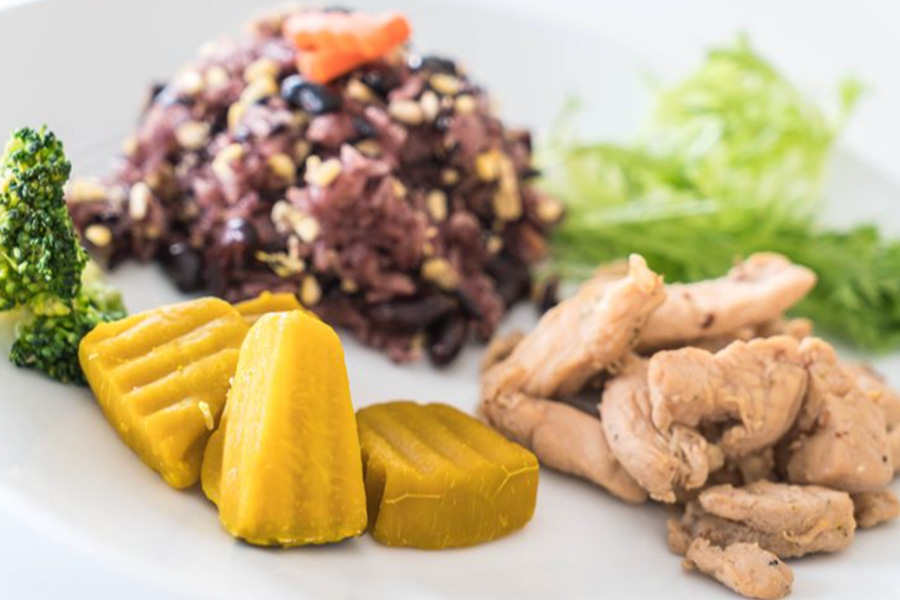
Proteins should be tender rather than crisp or fibrous. Carbohydrates should be easy to portion without excessive cutting. Sauces should enhance moisture rather than overwhelm. Once these fundamentals are addressed, younger guests are rarely dissatisfied, but seniors are significantly more comfortable.
Step 2: Control Menu Complexity to Reduce Cognitive Load
Large mixed-age groups respond better to clarity than abundance. Overly complex catering menus with many similar items can confuse older attendees and slow service flow. A well-structured catering menu limits choices within each category while maintaining balance across the full spread.
Clear labelling, familiar dish names, and visible separation between categories help all guests navigate the buffet or bento selection efficiently. This clarity also reduces congestion and ensures seniors are not rushed or sidelined during peak serving periods.
Step 3: Balance Flavour Profiles Without Polarising Palates
Age diversity often correlates with different flavour tolerances. Seniors may prefer moderate seasoning, while younger attendees may expect stronger flavours. The solution is not compromise, but balance. Core dishes should sit in a neutral flavour range, while condiments, sauces, or side accompaniments provide optional intensity.
This approach allows guests to customise their experience without fragmenting the catering menu. It also simplifies preparation and reduces the risk of dishes being left untouched due to polarising taste profiles.
Step 4: Pay Attention to Temperature Stability and Timing
Seniors are more sensitive to food temperature, particularly dishes that become greasy, tough, or unappetising when cooled. A catering menu designed for mixed age groups must prioritise dishes that hold texture and flavour over time, especially for longer events.
This instance affects protein selection, cooking methods, and service format. Braised items, baked dishes, and moist preparations generally perform better than fried or flash-cooked items. This consideration is critical in catering in Singapore, where climate and venue conditions can accelerate food degradation.
Step 5: Design Portions and Formats for Dignity and Ease
Portion size is not only a cost issue but a dignity issue. Seniors often prefer smaller, manageable portions without the pressure of waste. Offering modular portions, sliced proteins, or individual servings allows guests to take what they can comfortably consume.
Service formats should also minimise awkward handling. Heavy lids, tall serving vessels, or unstable plating increase risk and discomfort. A functional catering menu respects physical ease without drawing attention to age differences.
Step 6: Align Menu Design With Operational Reality
Finally, a successful catering menu must align with service flow, staffing, and venue constraints. Mixed-age events require smoother pacing, clearer circulation, and fewer service interruptions. Menu design that supports operational stability ensures all guests are served with consistency and respect.
Conclusion
Designing a catering menu that works for mixed age groups and senior attendees is a structured process, not a creative gamble. It requires attention to texture, familiarity, dietary needs, and service logistics, all within the realities of catering in the city-state. Once these factors are addressed step by step, the result is a menu that supports comfort, inclusivity, and operational efficiency. Remember, a well-planned catering menu does not just feed guests; it supports the success of the entire event.
Contact Elsie’s Kitchen to design a catering menu that balances accessibility, dietary needs, and operational efficiency.