

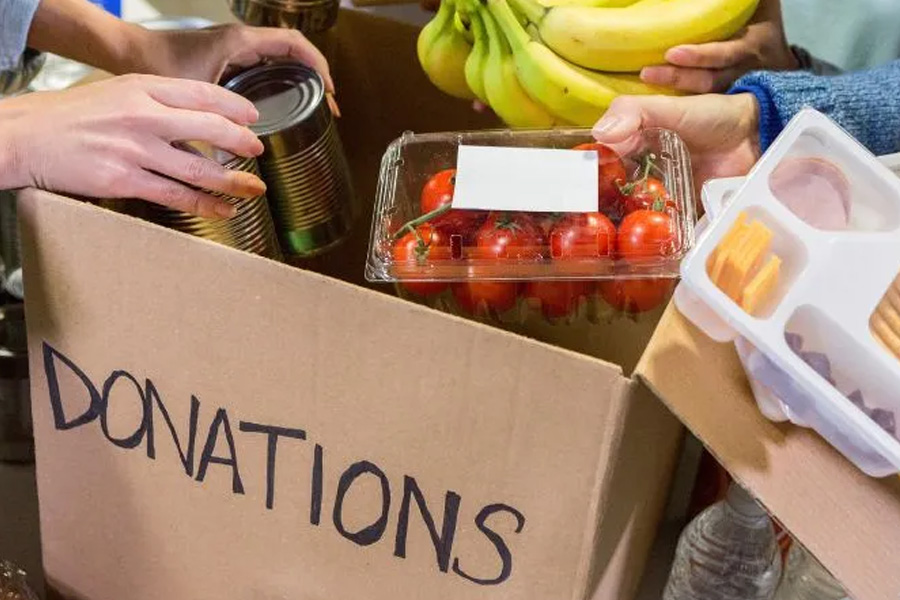
Food is one of the most basic human necessities, yet millions of individuals and families struggle to access nutritious meals every day. Rising living expenses, unemployment, unexpected medical bills, and financial instability can make it difficult for households to maintain a consistent food supply. Food donation offers a practical way to address these challenges while strengthening relationships within communities. Whether someone contributes a few pantry essentials or participates in an organized donation drive, every contribution can help provide relief to people experiencing food insecurity.
The Importance of Food Donation
Food donation involves collecting and distributing food to individuals and families who may not have the financial resources to purchase enough groceries. These contributions often reach people through community food pantries, charitable organizations, shelters, and local assistance programs.
For individuals interested in contributing, searching for food banks near me can be a useful starting point for identifying nearby organizations that accept donations. Many food banks maintain specific guidelines regarding acceptable products, expiration dates, packaging, and nutritional requirements. Understanding these guidelines helps donors contribute items that organizations can distribute safely and efficiently.
Food donation is not simply about providing temporary assistance. It also creates opportunities for communities to develop reliable support systems that help vulnerable households navigate difficult circumstances.
Addressing Food Insecurity Through Community Support
Food insecurity affects people from different backgrounds, including working families, older adults, students, and individuals experiencing temporary financial hardship. Even households with regular employment may struggle to afford groceries when housing, transportation, healthcare, and utility expenses consume a significant portion of their income.
Community food donation programs help reduce these pressures by providing access to essential groceries. When families receive food assistance, they may have greater flexibility to manage other necessary expenses without sacrificing their nutritional needs.
Consistent access to food can also support children’s development and educational participation. Students who receive adequate nutrition are better positioned to concentrate during lessons, participate in activities, and maintain healthy daily routines.
Reducing Food Waste Through Responsible Giving
Food waste is another important issue that food donation initiatives can help address. Grocery stores, restaurants, farms, and households sometimes have surplus food that remains suitable for consumption but may otherwise be discarded.
Responsible donation programs create opportunities to redirect appropriate surplus food toward people who need it. However, successful redistribution requires careful attention to food safety, storage conditions, transportation, and expiration dates.
Businesses can contribute by coordinating with established food recovery organizations, while households can donate unopened, shelf-stable products that meet local donation requirements. These efforts help reduce unnecessary waste while making better use of available food resources.
Strengthening Community Relationships Through Generosity
One of the most meaningful benefits of food donation is its ability to bring people together around a shared purpose. Community members who may have little interaction in everyday life can collaborate through food drives, volunteer activities, and neighborhood assistance programs.
Schools can encourage students to participate in organized collection campaigns, helping younger generations understand the importance of compassion and social responsibility. Local businesses can establish workplace donation programs that encourage employees to contribute essential groceries or volunteer their time.
Religious institutions, neighborhood associations, and nonprofit organizations can also collaborate to identify community needs and coordinate assistance. These partnerships strengthen local support networks and encourage a lasting culture of generosity.
Choosing Food Items That Make a Meaningful Difference
Effective food donation requires more than simply collecting unwanted groceries. Donors should consider the nutritional value, usability, and practical needs of the people receiving assistance.
Commonly requested products include canned vegetables, beans, rice, pasta, oatmeal, peanut butter, and other nutritious pantry staples. Some organizations also accept baby food, cooking ingredients, and products suitable for individuals with specific dietary requirements.
Donors should prioritize unopened products with intact packaging and acceptable expiration dates. Checking an organization’s current needs before contributing can prevent unnecessary donations and ensure that available resources are used effectively.
Financial contributions may also be valuable because established food assistance organizations can often purchase groceries in quantities that support efficient distribution.
Encouraging Long-Term Participation in Food Donation
Although seasonal food drives can generate substantial support, hunger remains a concern throughout the year. Developing consistent donation habits can help organizations maintain reliable supplies beyond holidays and special community events.
Individuals can establish monthly giving routines, organize recurring workplace collections, or volunteer regularly at local food distribution centers. Families can also make charitable giving part of their household activities by involving children in selecting appropriate donation items.
Community organizations benefit from predictable contributions because they can plan distribution schedules, coordinate volunteers, and respond more effectively to changing demand.
Conclusion
Food donation demonstrates how ordinary acts of generosity can create meaningful improvements in people’s lives. By supporting families experiencing food insecurity, reducing unnecessary food waste, and encouraging community cooperation, these initiatives contribute to stronger and more compassionate neighborhoods.
Lasting community impact does not always require large financial contributions or complicated programs. Consistent participation, thoughtful donations, and a willingness to support others can collectively make nutritious food more accessible. When individuals, businesses, and community organizations work together, food donation becomes more than an occasional charitable activity. It becomes an essential part of building healthier, more connected, and more resilient communities.