

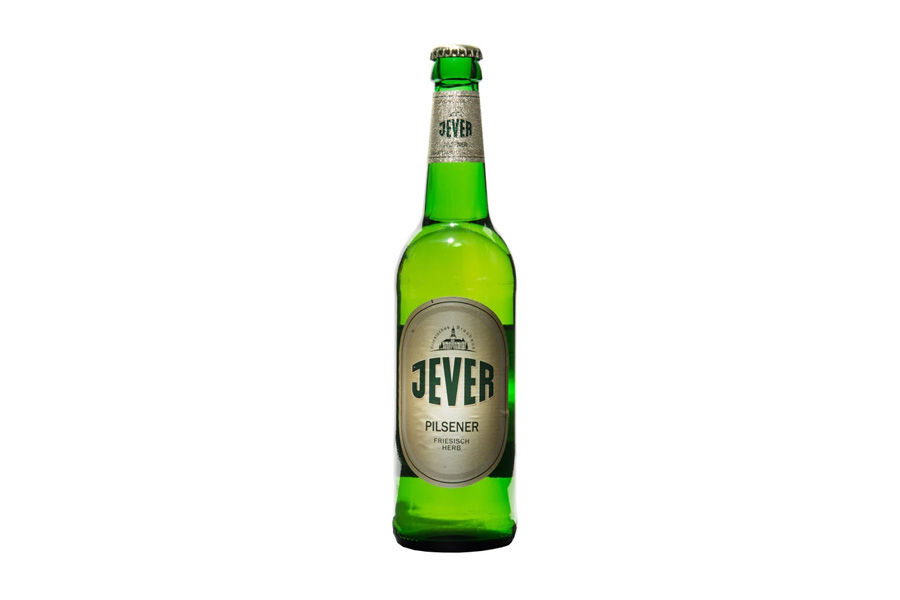
Beer trends come and go, with new styles and brewing techniques regularly attracting attention. Yet some of the most enjoyable beers are those that have remained popular for generations. A well-made german pilsner is a perfect example. Crisp, refreshing and pleasantly bitter, it demonstrates how a relatively simple combination of ingredients can produce a beer with plenty of character. While craft beer drinkers often look towards experimental flavours and unusual ingredients, there is still something particularly satisfying about a traditional pilsner brewed with care.
Germany has a long history of producing high-quality lager, and pilsner remains one of its most recognisable styles. Its popularity is no accident. It offers a balance of flavour, refreshment and drinkability that makes it suitable for almost any occasion.
Why German Pilsner Has Stood the Test of Time
Pilsner originated in the Czech city of Plzeň in 1842, but German brewers soon developed their own interpretations of the style.
Over time, German pilsners became known for their clean fermentation character, noticeable hop bitterness and relatively dry finishes. Compared with many Czech pilsners, which often have a fuller malt character, German versions frequently place greater emphasis on crispness and hop flavour.
This balance is what makes the style so appealing. There are no overpowering ingredients competing for attention. Instead, the quality of the brewing process becomes apparent through the beer’s clarity, aroma and overall flavour.
A good pilsner does not need to be complicated to be interesting. Sometimes, the smallest differences between beers are what make them worth comparing.
The Ingredients Behind a Great Pilsner
Most traditional pilsners are produced using four core ingredients: water, malted barley, hops, and yeast.
Although this sounds straightforward, each ingredient contributes something important to the finished beer.
Malted barley provides the foundation, producing gentle grain, bread and occasionally biscuit-like flavours. Pale malts are commonly used to create the light golden colour associated with the style.
Hops provide bitterness and aroma. Traditional German hop varieties can introduce herbal, floral, grassy and lightly spicy characteristics.
Yeast plays an equally important role. Lager yeast ferments at cooler temperatures than typical ale yeast, helping produce the clean flavour profile associated with pilsner.
Water also influences the brewing process, particularly how bitterness and malt flavours are perceived.
When these ingredients are carefully balanced, the result is a beer that feels refreshing without sacrificing flavour.
Why Bitter Beer Can Be So Refreshing
One of the defining characteristics of a German pilsner is its bitterness.
For drinkers accustomed to sweeter lagers, the first sip can sometimes feel surprisingly sharp. However, that bitterness is a large part of what makes the style so refreshing.
Rather than leaving a lingering sweetness, a pilsner typically finishes dry, encouraging another sip. The bitterness also helps balance the gentle malt flavours, preventing the beer from feeling too heavy.
Not every German pilsner has the same level of bitterness. Some are relatively soft and approachable, while others have a pronounced hop character.
Trying different examples side by side can reveal how much variation exists within a style that initially appears quite straightforward.
Pilsner and Food: An Underrated Combination
German pilsner is often enjoyed on its own, but it is also an excellent beer to serve with food.
Its carbonation, bitterness and relatively light body make it particularly suited to dishes containing salt, fat or richer ingredients.
Traditional German foods such as bratwurst, schnitzel and pretzels are natural partners. The beer’s crisp finish helps balance fried and grilled flavours without overwhelming the meal.
However, the possibilities extend well beyond German cuisine.
Fish and chips, roast chicken, pizza and lighter seafood dishes can all work well alongside a pilsner. Its refreshing character also makes it a good option with moderately spicy foods.
For a casual dinner with friends, serving a few different pilsners can offer an interesting alternative to wine or more heavily flavoured craft beers.
Does the Glass Really Matter?
Beer glassware can sometimes seem unnecessarily complicated, particularly when different styles are associated with their own shapes.
For pilsner, however, the glass can make a noticeable difference to the drinking experience.
A traditional pilsner glass is generally tall and relatively narrow, allowing the beer’s golden colour and clarity to remain visible. It also helps showcase the foam head and allows the beer’s aromas to develop.
Temperature matters too.
Although pilsner is best served chilled, drinking it extremely cold can suppress its more delicate flavours. Allowing the beer to warm slightly after pouring can make its hop aroma and malt character easier to appreciate.
These small details can make a familiar beer feel surprisingly different.
Why Traditional Styles Still Deserve Attention
Modern brewing has introduced drinkers to an enormous range of beer styles, including heavily hopped IPAs, fruit-forward sours and rich imperial stouts.
There is plenty to enjoy in that variety, but traditional beers still have an important place.
A well-brewed pilsner demonstrates precision and consistency. With fewer intense flavours to hide behind, any imbalance can become more noticeable.
For that reason, producing a consistently enjoyable pilsner requires considerable brewing skill.
The next time you are choosing something new to drink, it may be worth looking beyond the most unusual styles and returning to something familiar.
A Classic Worth Revisiting
German pilsner continues to appeal because it offers exactly what many beer drinkers want: a refreshing, balanced beer with enough flavour to remain interesting.
Its straightforward ingredients, distinctive bitterness and versatility make it suitable for everything from casual gatherings to evenings spent comparing different breweries.
For anyone interested in expanding their appreciation of traditional European beers, The Epicurean offers a selection of craft beers from Germany and beyond, providing plenty of opportunities to try different styles and find new favourites.