

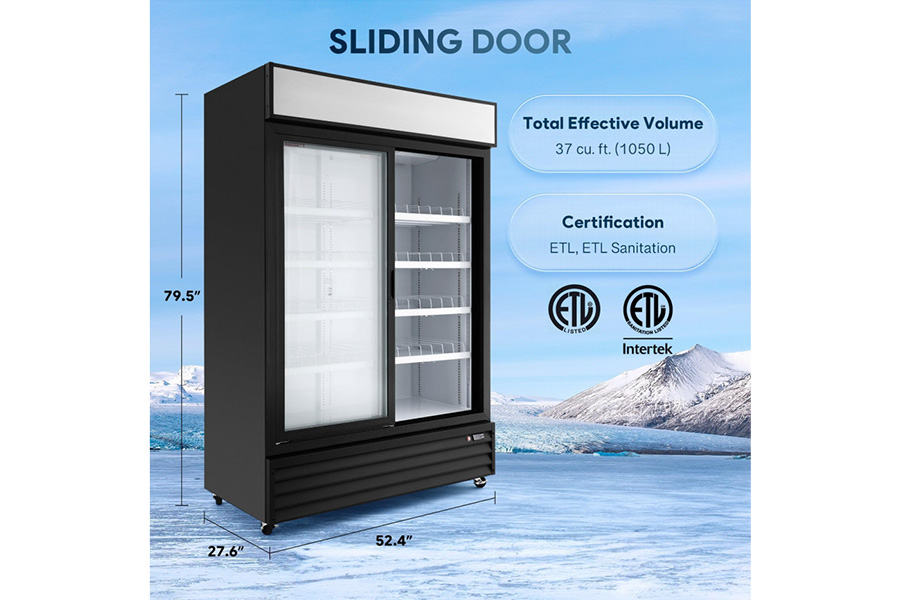
A restaurant kitchen depends on reliable equipment to maintain food quality, improve efficiency, and support daily operations. Among all kitchen investments, refrigeration is one of the most important because proper food storage directly affects food safety, inventory management, and overall business performance.
Choosing the right commercial refrigerator requires careful consideration. Restaurant owners need to evaluate kitchen space, storage requirements, energy efficiency, and expected workload before making a purchase decision.
Why Refrigeration Is Important for Restaurant Operations
Every restaurant relies on refrigeration to protect fresh ingredients, store prepared foods, and maintain organized kitchen operations. A dependable refrigeration system helps reduce food waste and allows kitchen teams to access ingredients quickly during busy service periods.
Unlike residential refrigerators, commercial refrigeration units are designed for professional environments. They are built to handle frequent door openings, larger storage demands, and continuous daily use.
Understand Your Restaurant’s Storage Needs
Before selecting a refrigerator, restaurant owners should understand their actual storage requirements. Choosing a unit that is too small may create organization problems, while selecting a model that is too large may waste valuable kitchen space.
Consider these factors before purchasing:
- The size and layout of your kitchen
- The type of food your restaurant prepares
- Daily ingredient volume
- Available storage space
- Future business growth plans
A well-planned refrigeration system should support your kitchen workflow and make daily operations easier for employees.
Key Features to Look for in Commercial Refrigeration
When comparing different refrigeration solutions, restaurant owners should focus on several important features:
- Stable temperature control
- Durable construction
- Energy efficiency
- Easy cleaning and maintenance
- Practical interior organization
These features can help restaurants reduce operating costs and maintain a more efficient kitchen environment.
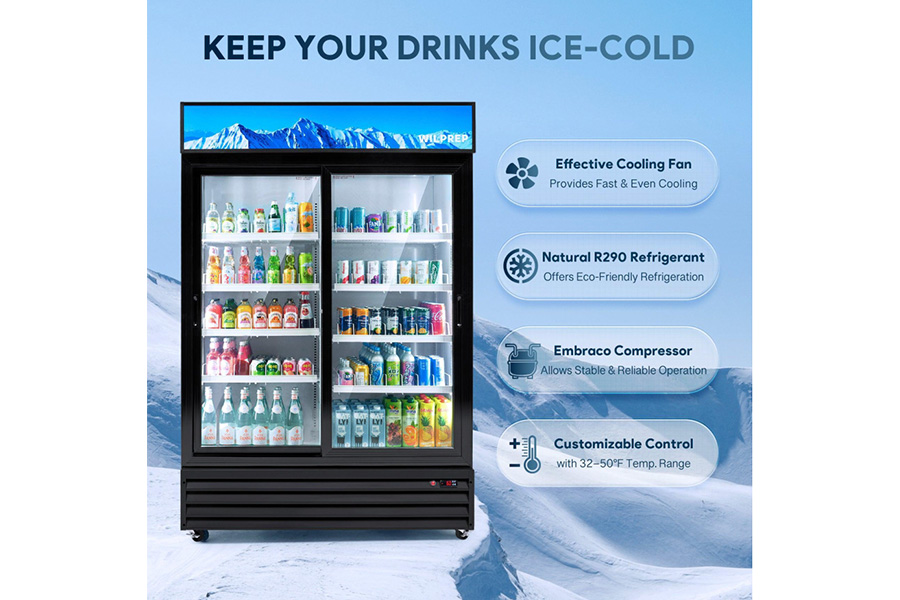
How Refrigeration Fits Into a Complete Kitchen Setup
A refrigerator is only one part of a successful restaurant kitchen. It needs to work together with other preparation, cooking, and storage solutions to create an efficient workflow.
Many restaurant owners plan their kitchen layout by considering the relationship between refrigeration, preparation stations, cooking areas, and serving spaces. This approach helps reduce unnecessary movement and improves productivity.
For businesses building or upgrading a professional kitchen, selecting reliable commercial kitchen equipment is an important step toward long-term success.
Common Mistakes When Buying Restaurant Refrigeration
New restaurant owners often make several mistakes when purchasing refrigeration equipment:
- Choosing based only on price
- Ignoring available kitchen space
- Underestimating future storage needs
- Failing to consider maintenance requirements
A better approach is to evaluate equipment based on total value, including durability, performance, and how well it supports daily restaurant operations.
Choosing a Reliable Kitchen Equipment Partner
Finding the right supplier can make the equipment selection process easier. A professional equipment provider can help restaurant owners choose solutions that match their business size, operational needs, and budget.
Wilprep Kitchen provides commercial kitchen solutions designed for restaurants, cafes, and food businesses. The company focuses on helping food entrepreneurs build practical and efficient kitchens with reliable equipment options.
Final Thoughts
A well-designed refrigeration system creates a stronger foundation for restaurant success. By choosing equipment based on kitchen needs, workflow, and long-term goals, restaurant owners can improve efficiency and maintain better food quality.
Investing in the right equipment today can help create a more organized, productive, and successful restaurant operation in the future.